30+ Best Picture Riddles For Kids With Answers
Picture riddles for kids turn ordinary images into fun guessing games. Pictures give kids a playful way to think, observe, and solve puzzles. They engage both the analytical and creative sides of the brain. In this article, you will explore easy picture riddles for younger children, word-picture puzzles, spot-the-difference challenges, maths and science picture questions, and harder visual puzzles for older kids.
Picture riddles challenge kids to decode images, encouraging lateral thinking and strengthening problem-solving skills. From combining pictures to make new words to spotting differences and solving simple math and science challenges, these visual riddles offer something for every curious child. Engaging with these picture riddles will encourage your kid’s cognitive skills, making this an enriching experience for both you and your little ones.
Enjoy more: Easy Riddles For Kids
Picture Riddles For Kids
Picture riddles for kids use familiar objects and simple images to create interesting challenges. Kids can look at two pictures, combine their names, and discover a new word. When kids look at a picture riddle, they are prompted to explore different interpretations, boosting their creativity and refining their skills.
Riddle No 1: Which word do you get when you combine a cup and a cake?
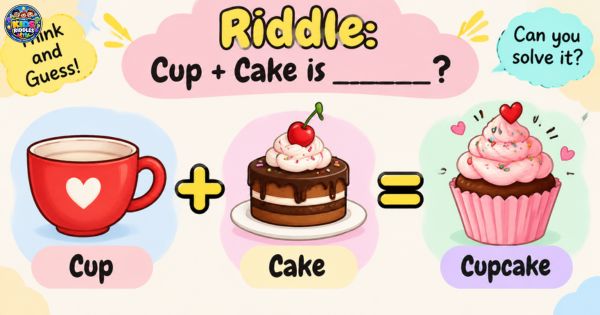
Answer: Cupcake
Riddle No 2: Which word do you get when you combine rain and a bow?
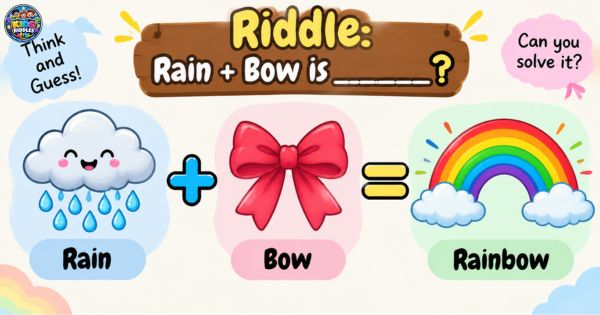
Answer: Rainbow
Riddle No 3: Which word do you get when you combine snow and a ball?
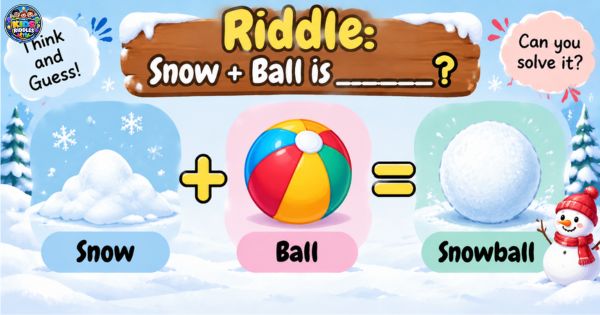
Answer: Snowball
Riddle No 4: Which word do you get when you combine star and a fish?
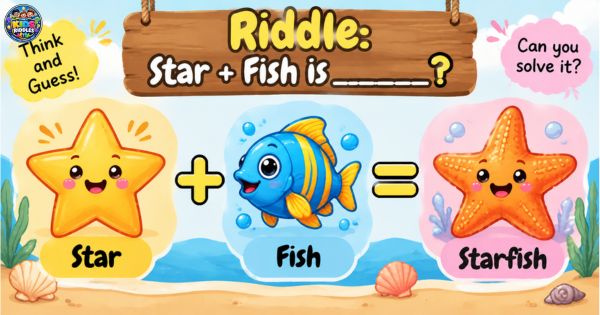
Answer: Starfish
Riddle No 5: Which word do you get when you combine sun and a flower?
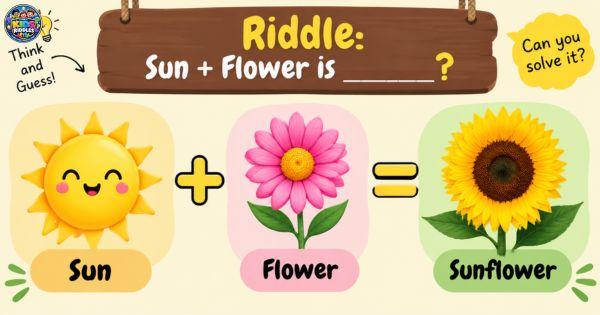
Answer: Sunflower
Enjoy more: Scary Riddles For Kids
Picture Riddles With Answers
Picture riddles with answers offer a unique blend of visual and cognitive challenges that sharpen observational skills. These picture riddles challenge kids to compare two similar images and find changes. From spot-the-difference puzzles to counting objects, each visual challenge encourages careful observation and logical thinking.
Riddle No 1: Can you find all the differences between these two playground pictures?
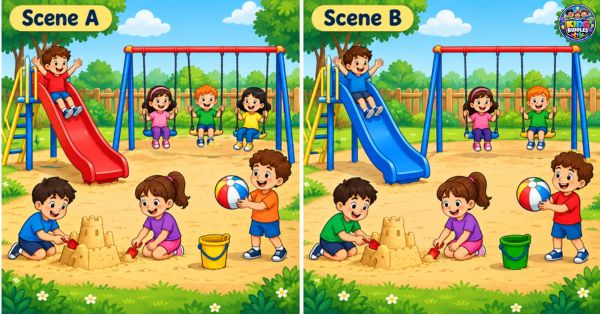
Answer: There are four children, a blue slide, and a green bucket
Riddle No 2: Can you spot the two changes in these farm pictures?
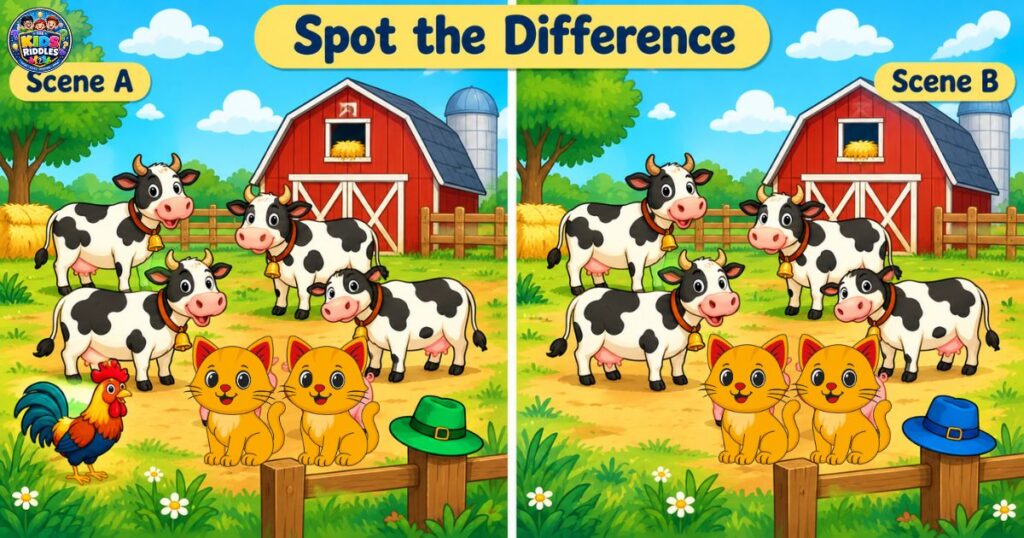
Answer: There is a Rooster missing and a blue hat.
Riddle No 3: Can you spot the two changes in these pictures?
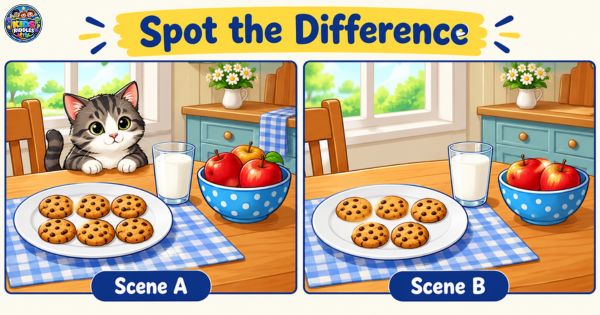
Answer: There are 5 cookies, and the cat is missing
Riddle No 4: Can you spot the three changes in these birthday pictures?
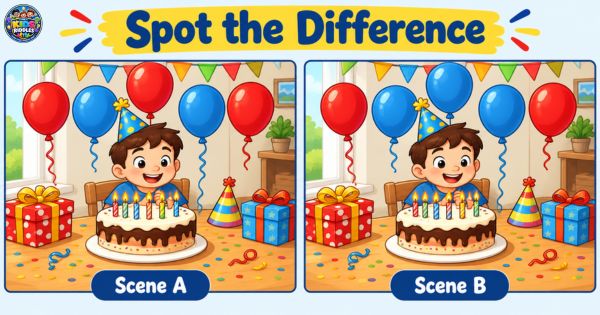
Answer: There are 2 red balloons, 3 blue balloons, and 7 candles.
Riddle No 5: Can you spot the two changes in these pictures?
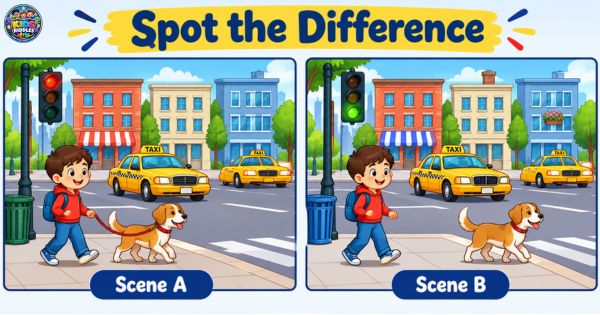
Answer: There is a green light, and the dog is off leash.
Explore More: Apple Riddles For Kids
English Picture Riddles For Kids
English Picture Riddles for kids help children connect familiar objects with their names and meanings. Each puzzle uses a picture and a simple clue to encourage kids to think about the correct English word. Kids can look at familiar objects and use these visual riddles as clues to identify words and improve their English vocabulary.
Riddle No 1: I grow on a tree and can be red, green, or yellow. What fruit am I?
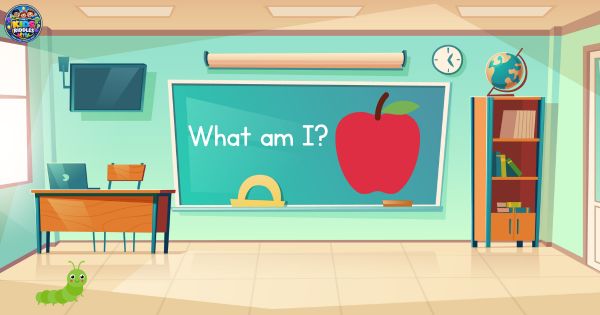
Answer: An Apple
Riddle No 2: I have two wheels, pedals, and handlebars. You can ride me to the park. What am I?
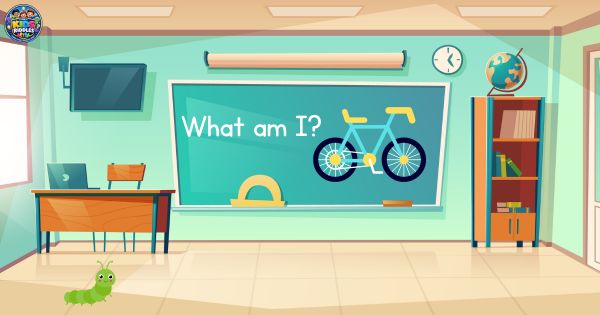
Answer: A bicycle
Riddle No 3: I live in the ocean and have eight arms. What sea creature am I?
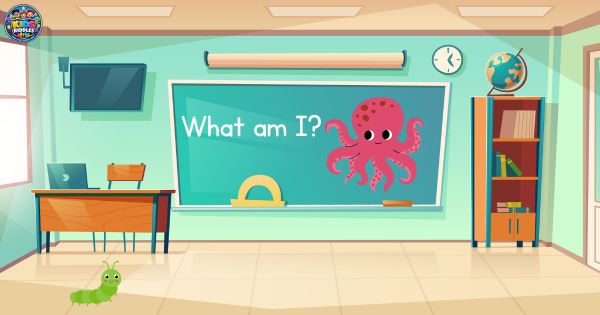
Answer: An octopus
Riddle No 4: I have legs but cannot walk. You can sit on me while reading or eating. What am I?
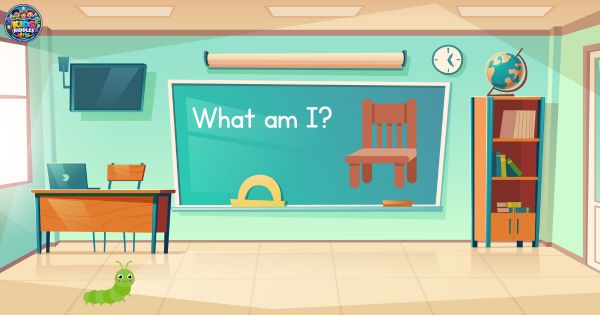
Answer: A chair
Riddle No 5: I have no legs, but I can slither across the ground. What animal am I?
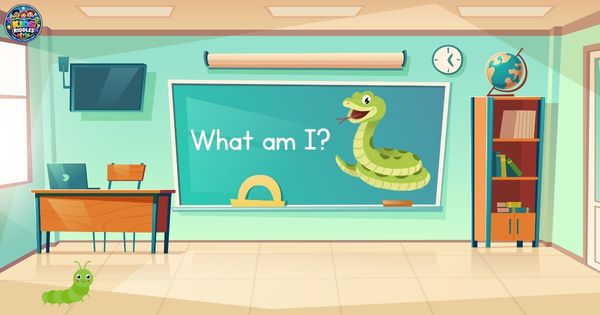
Answer: A snake
Read More: English Riddles For Kids
Maths Picture Riddles For Kids
Math picture riddles for kids are a delightful way to make addition and subtraction engaging. These visual puzzles combine creativity and mathematics, transforming abstract numbers into tangible scenarios. These picture puzzles offer a simple way for parents and teachers to include short maths activities in everyday learning. Math riddles combine numbers and visual thinking to make basic mathematics more enjoyable.
Riddle No 1: What do you get when you add 2 and 4? Choose the correct answer.
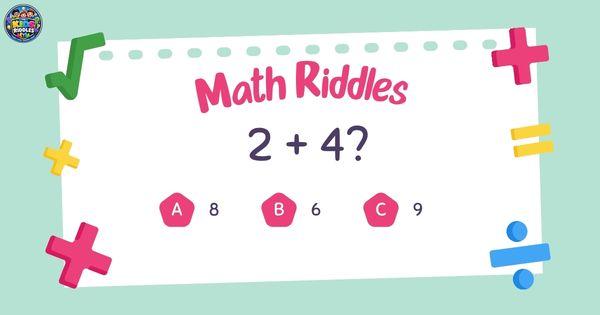
Answer: 6 (Option B)
Riddle No 2: What remains when you take 5 away from 10?
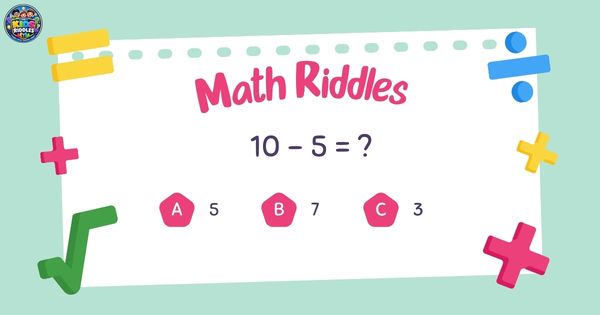
Answer: 5 (Option A)
Riddle No 3: Find the difference between 22 and 14.
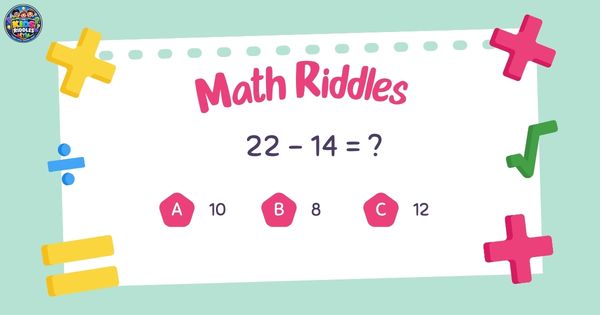
Answer: 8 (Option B).
Riddle No 4: What is the total when you add 43 and 30?
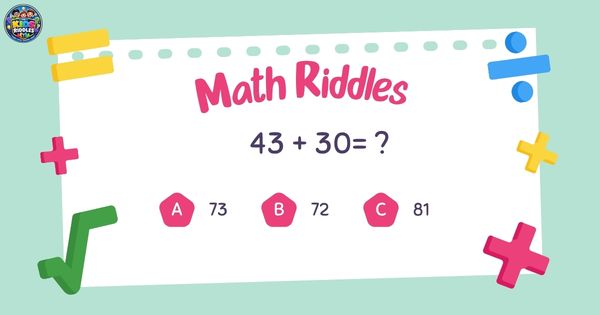
Answer: 73 (Option A)
Riddle No 5: A missing number makes this equation equal to 16. Can you find the number that belongs in the space?
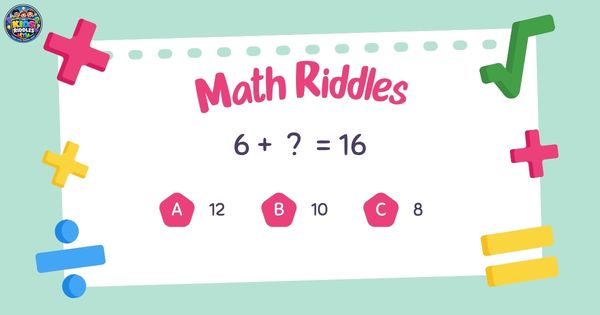
Answer: 10 (Option B)
Explore More: Math Riddles for Kids
Science Picture Riddles For Kids
Science Picture Riddles for kids are a fun way to explore basic facts about the human body, plants, the Sun, and Earth. Science riddles celebrate imagination while planting seeds of knowledge, making them a valuable tool for nurturing future scientists.
Riddle No 1: Which organ helps you breathe?
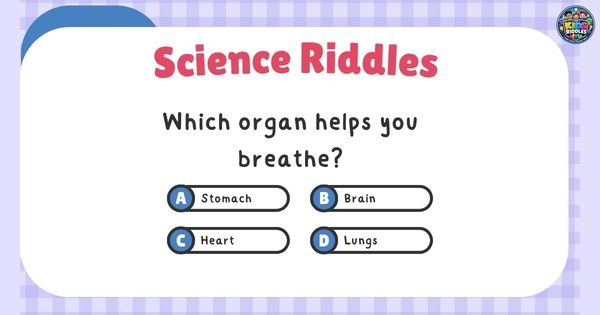
Answer: Lungs.
Riddle No 2: True or False: The Sun is a planet?
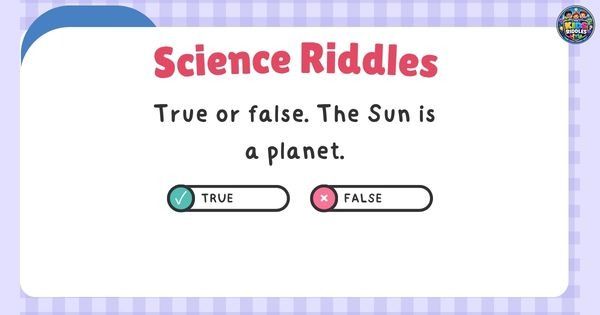
Answer: False.
Riddle No 3: Plants need sunlight and water. What else do they take from the air to make their food?
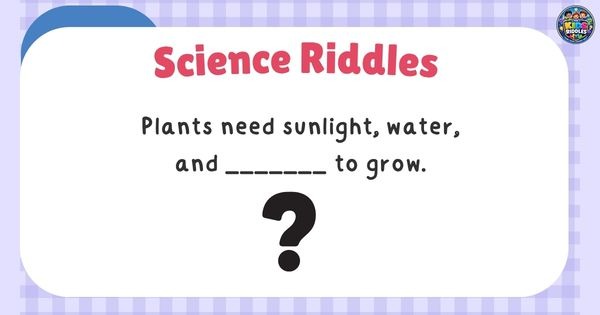
Answer: Carbon dioxide.
Riddle No 4: True or false. The Earth moves around the Sun.
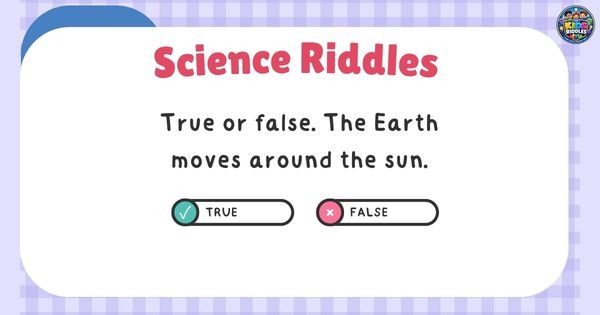
Answer: True.
Riddle No 5: True or false. The Sun gives light and heat to the Earth.
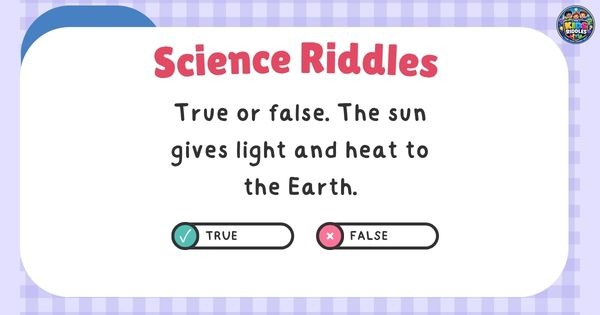
Answer: True
Explore More: Science Riddles For Kids
Picture Riddles For Adults
Picture riddles for adults offer a fun challenge through visual clues, word combinations, and hidden meanings. These picture riddles serve as a delightful brain exercise and stimulate cognitive functions. Unlike conventional riddles that rely solely on verbal clues, visual riddles draw upon visual literacy, challenging adults to interpret symbols and context within a single frame. These visual challenges are great for family game nights, friendly competitions, and short brain breaks.
Riddle No 1: I live in the sea, but now I am sitting in a bucket. I hold a fishing rod with a worm on its hook. Why should the worm be afraid of me, and what am I?
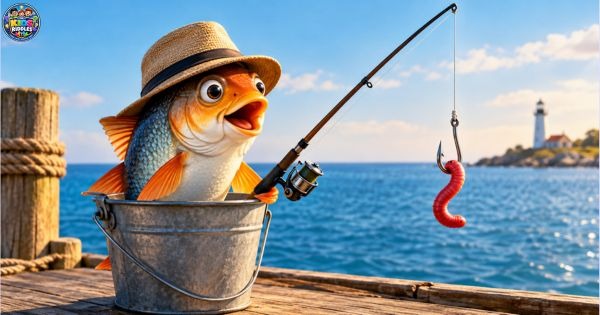
Answer: A fish playing the role of a fisherman.
Riddle No 2: What word do you get when you combine the sun, an eye, and a bee?
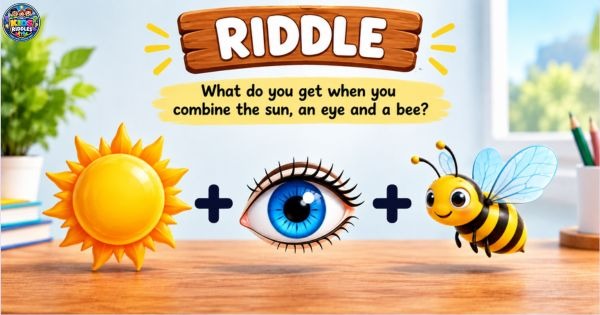
Answer: Sunny Bee
Riddle No 3: Which popular smartphone is represented by the combination of an apple and a phone?
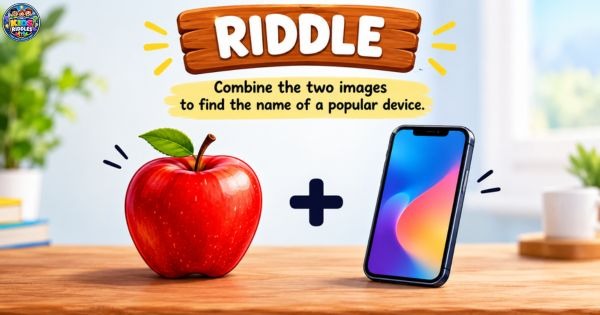
Answer: An Apple iPhone.
Riddle No 4: What will you get when you combine a plant, water, and sunshine?
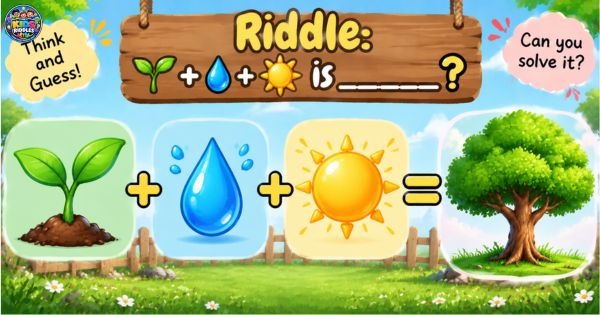
Answer: Tree
Riddle No 5: What familiar English word do their sounds create?
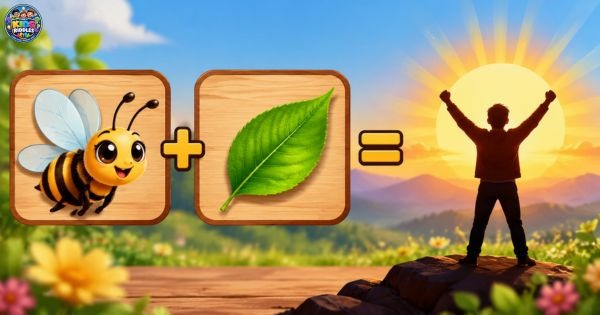
Answer: Belief
Riddle No 6: What does a lion wearing a crown represent?
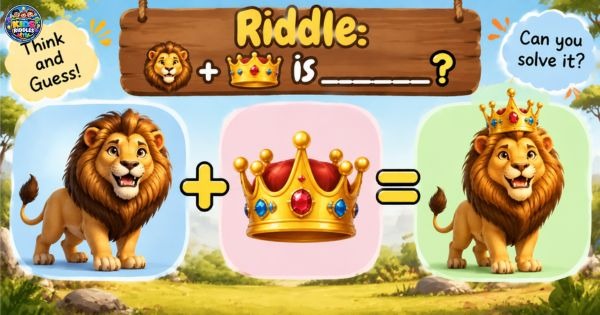
Answer: The Lion King
Explore More: Animal Riddles For Kids
Conclusion
Picture riddles for kids help them explore images, recognize objects, and solve different types of puzzles. From simple picture-word puzzles and spot-the-difference challenges to math and science questions, these visual riddles encourage observation, creativity, vocabulary, and problem-solving skills. These riddles about pictures can be easily incorporated into educational settings or enjoyed in the comfort of your home, making them a versatile resource. Encourage your child to explore the wonderful world of picture riddles and witness their excitement as they unlock new ways of thinking!
Enjoy More: Food riddles for kids
FAQs
What are picture riddles?
Picture riddles are puzzles that use pictures, symbols, or visual clues to create a question or hidden word.
Can picture riddles be used in classrooms?
Yes. Teachers can use picture riddles as warm-up activities, brain breaks, vocabulary exercises, or fun review questions. English picture riddles can help children practise vocabulary, while maths and science picture questions offer a simple way to review familiar topics.
Are picture riddles suitable for all ages?
Picture riddles are for various age groups. While younger kids might enjoy simpler riddles, older kids and adults can tackle more complex images that require deeper analysis.
How do picture riddles help kids learn?
Picture riddles help kids develop observation, vocabulary, logical thinking, and problem-solving skills while keeping them entertained.
Are there any tips for solving picture riddles?
Encourage your child to look closely at the details in each image, make them think outside the box, and consider multiple meanings.